
 Global Service Hotline +86-18729329559





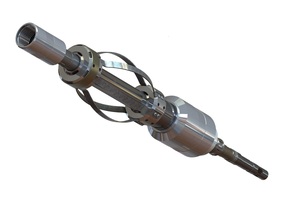


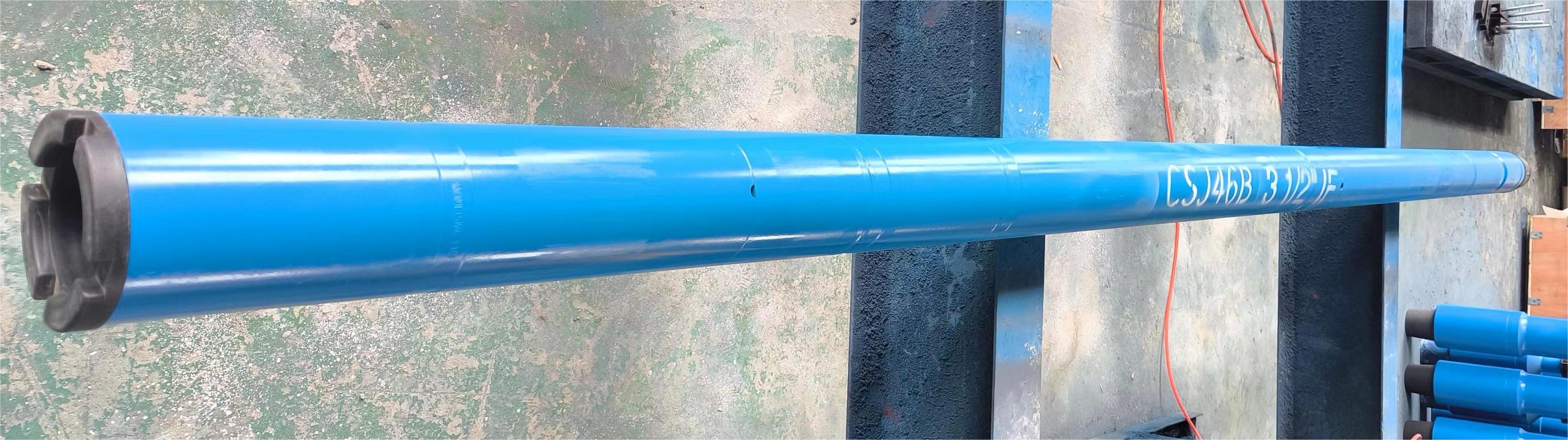
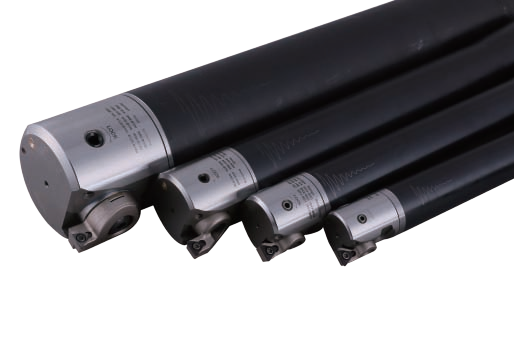
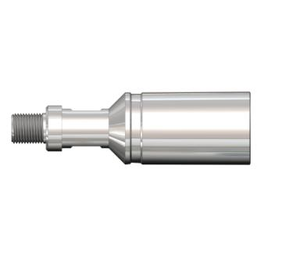
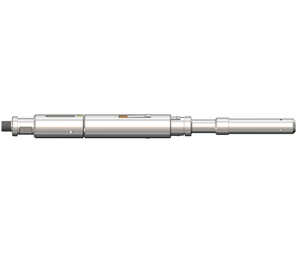
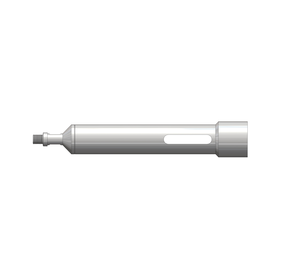
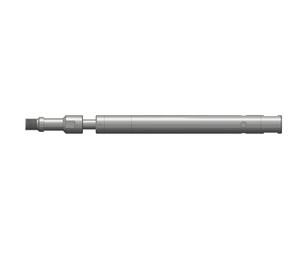
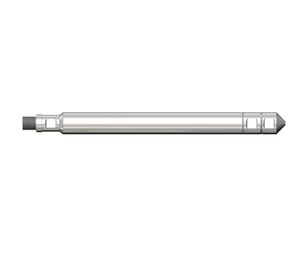
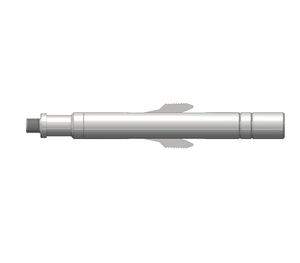




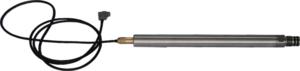

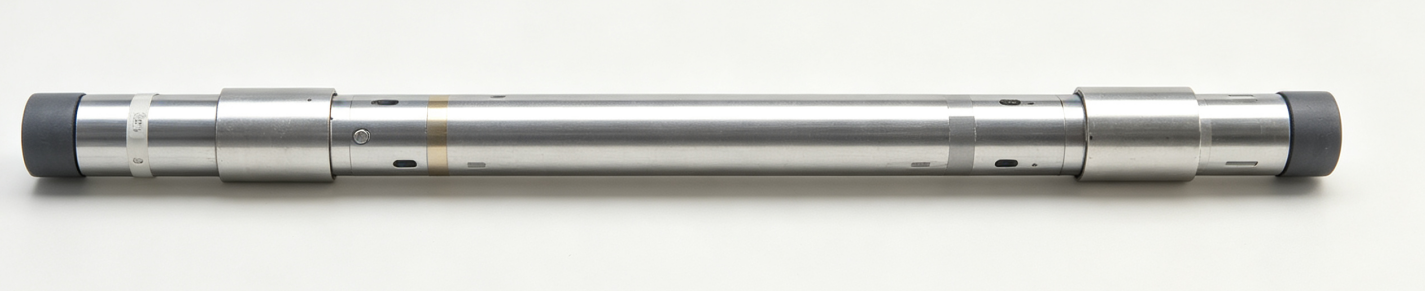
Dual Spectral Noise Tool
Product Parameters
Product Parameters
Overview
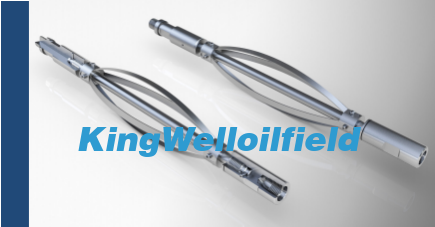
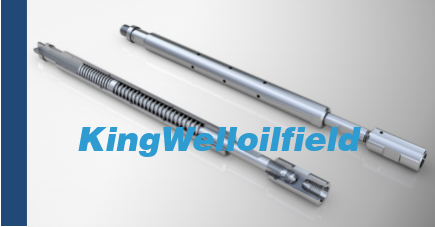
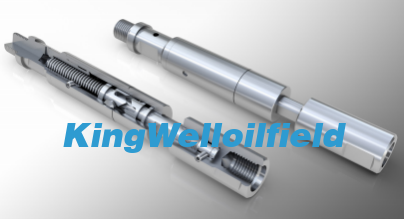
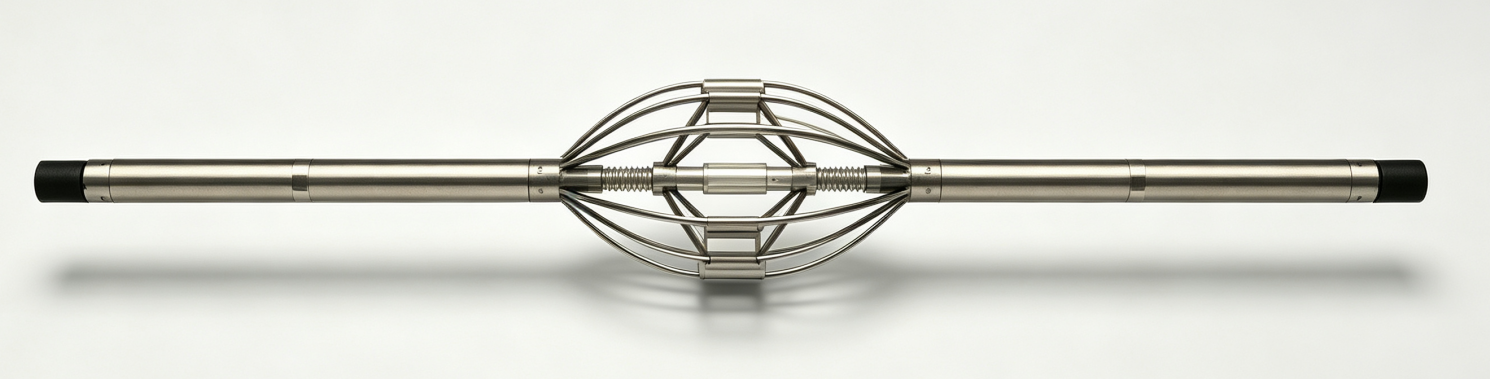
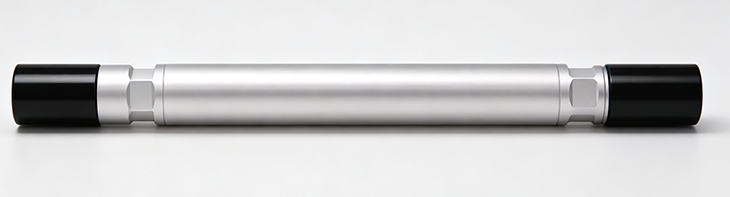
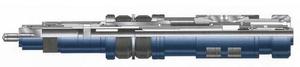
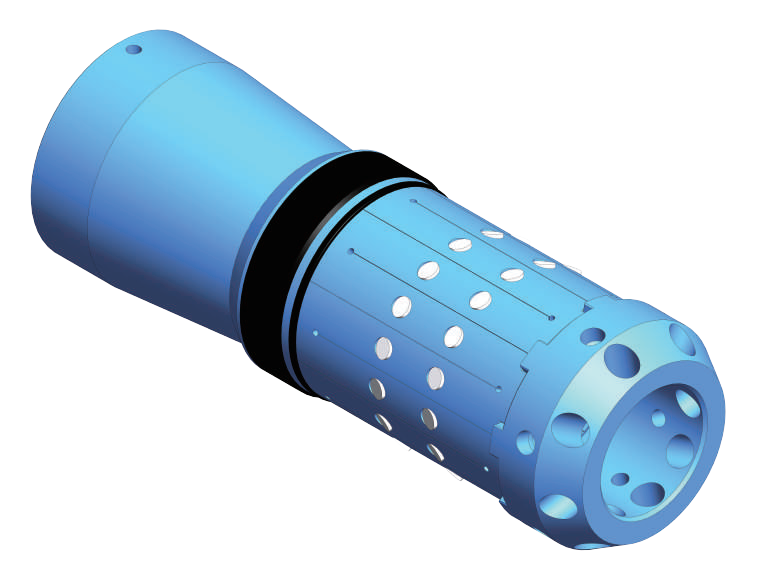
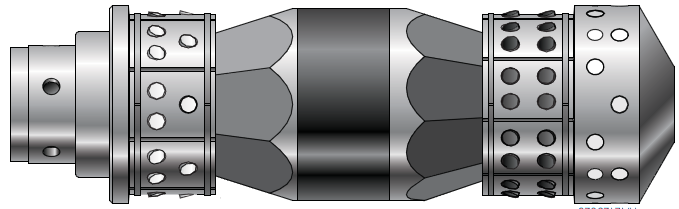
The Dual Spectral Noise Tool is a cased-hole production logging instrument equipped with two independent acoustic receivers for passive downhole noise spectrum measurement. It captures acoustic signals generated by fluid movement inside tubing, casing annulus and behind cement sheath. By analyzing noise amplitude and frequency spectrum features, it identifies fluid types, pinpoints flow sources, and detects well integrity anomalies. Dual-sensor design suppresses logging-induced tool-motion noise and provides sensor redundancy to improve logging reliability, suitable for oil, gas and water wells under both flowing and shut-in conditions.
Working Principle
When fluid (oil, gas, water) flows through restrictions such as leaks, perforations, cement channels and micro-annuli, turbulent flow produces characteristic acoustic noise with unique frequency signatures. Gas flow mainly generates high-frequency noise, while liquid flow corresponds to relatively low-frequency components. Dual hydrophone sensors collect full-band acoustic data simultaneously. Downhole electronics convert analog acoustic signals into digital frequency spectrum. Engineers distinguish gas, oil and water flow by spectral pattern, and determine the depth of leaks or behind-casing channeling. The dual-receiver structure eliminates tool-vibration interference and improves signal-to-noise ratio compared with single-sensor noise tools.
Key Features
◆ Dual independent acoustic receivers for noise reduction and hardware redundancy.
◆ Wide working frequency range, records full-spectrum acoustic data and raw audio files for playback and re-interpretation.
◆ Supports real-time surface read-out and memory-mode logging for slickline deployment.
◆ Large detection radius, capable of detecting flow signals behind casing and cement barriers.
◆ Normally integrated into production logging string, working cooperatively with temperature, flow, pressure and CCL sensors for comprehensive quantitative interpretation.
Main Petroleum Industry Applications
◆ Well integrity diagnosis: Locate tubing/casing leakage, identify cement channeling and inter-zonal cross-flow behind casing, evaluate packer sealing performance.
◆ Production profiling: Detect inflow depth of producing zones, identify gas/water entry points, evaluate productivity of each interval.
◆ Abnormal well diagnosis: Detect sand production, annular gas migration and backflow in shut-in wells.
◆ Combined interpretation: Joint analysis with Holdup, Temperature and Flow logging data improves accuracy of multiphase flow diagnosis and leak source identification.
Typical Tool Specifications
◆ Outer diameter: 43 mm (1-11/16 in) slim-hole design for through-tubing logging
◆ Max operating temperature: 175 °C
◆ Max working pressure: 103 MPa
◆ Frequency coverage: 100 Hz-12.7 kHz


