











 1
 2026-10-23
Two Cups, One Requirement: Repeatable Sealing Under Differential Pressure
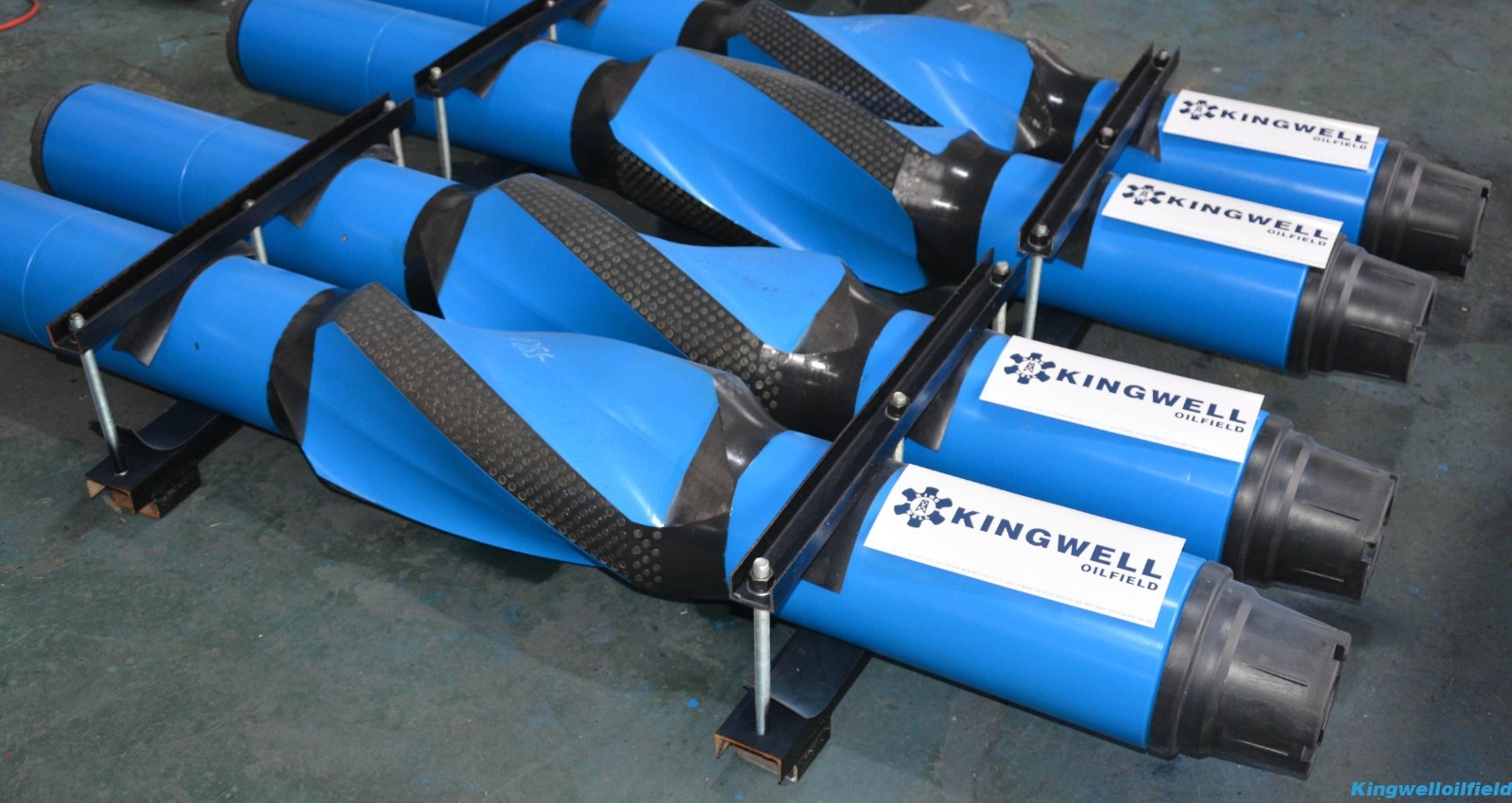
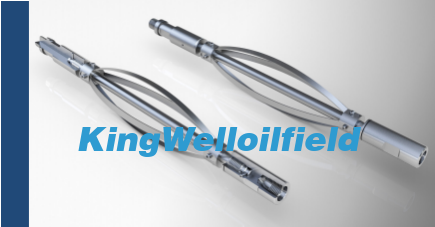
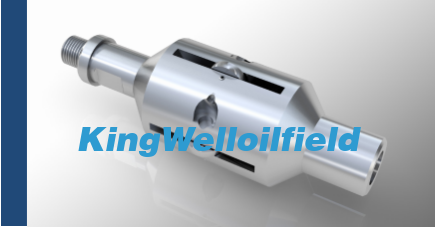
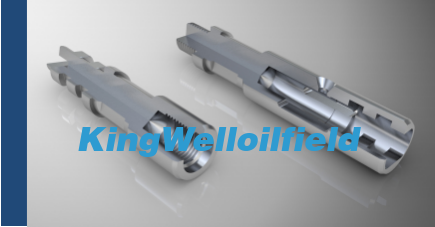
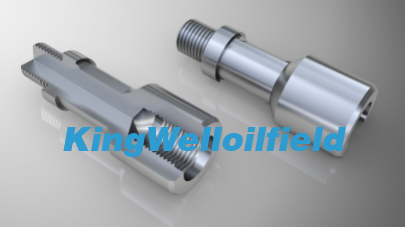
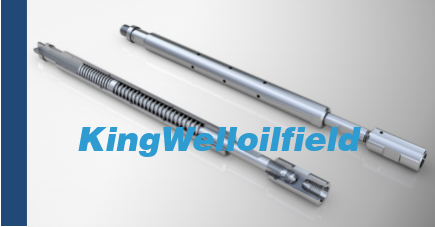
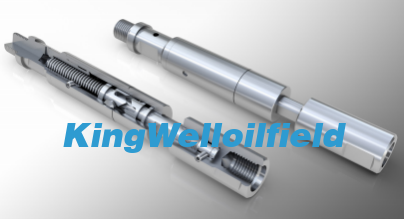
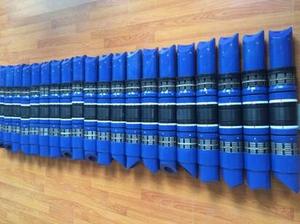
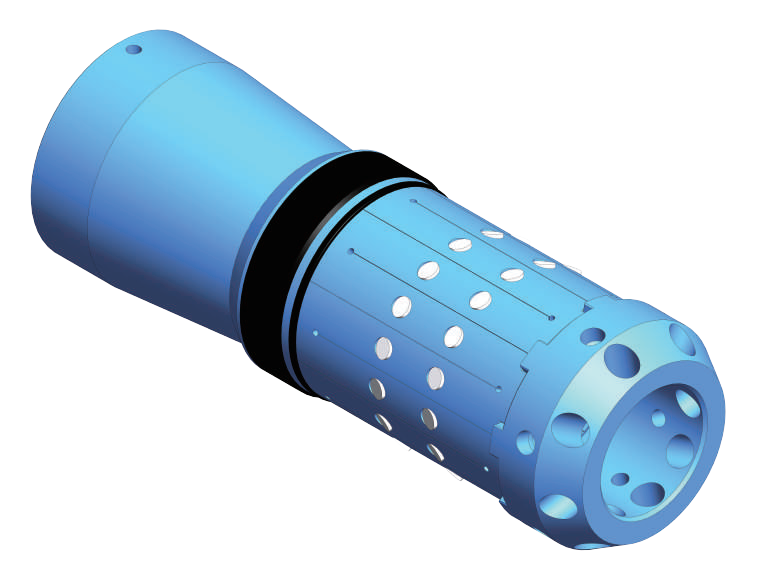
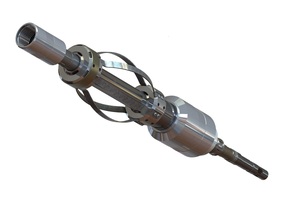
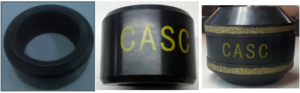
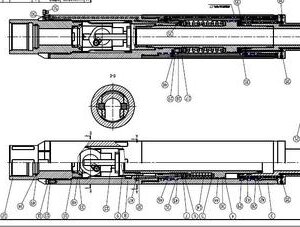
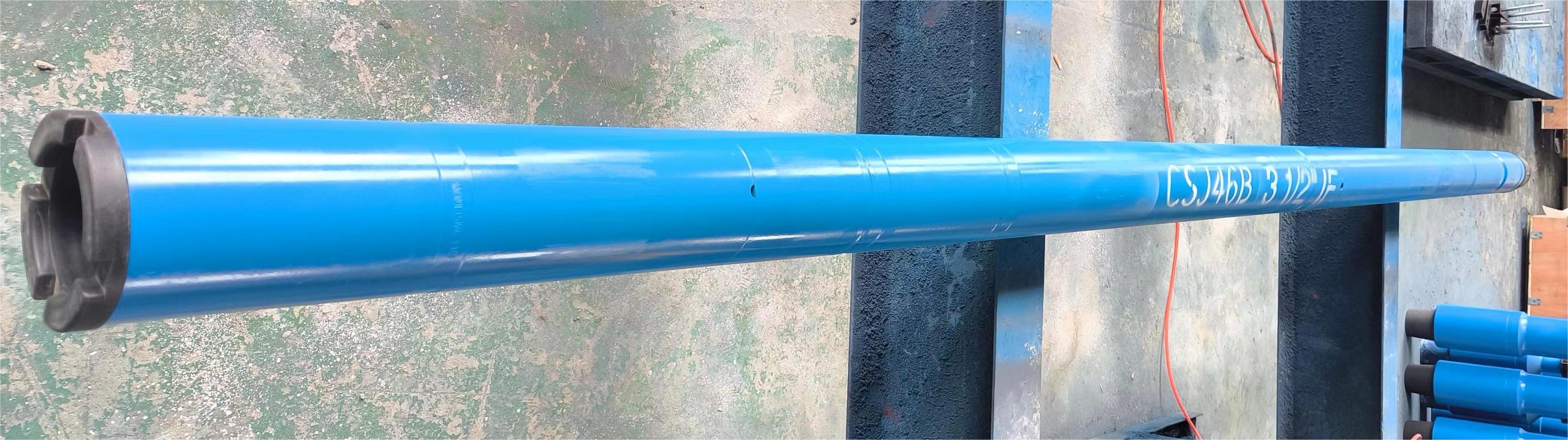
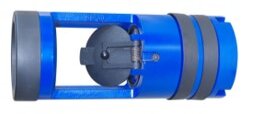
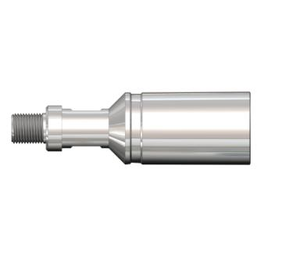
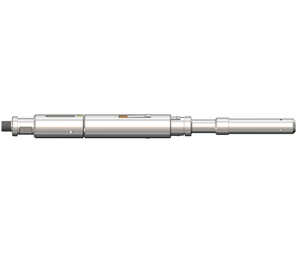
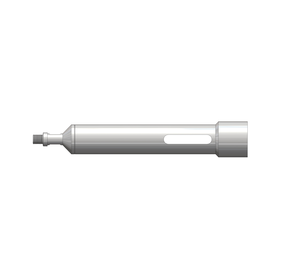
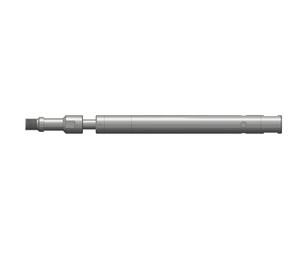
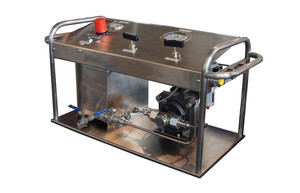
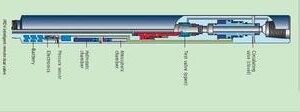
The terminology overlap confuses even experienced buyers. In oilfield usage, “cup tester” and “cup packer” describe downhole tools that use elastomeric cup elements to create a temporary pressure barrier inside casing or tubing. A cup tester is run on the drill string or wireline beneath the wellhead to pressure-test the BOP stack, wellhead, Christmas tree, valves, and flange connections without relying on permanent isolation equipment. It creates an isolated test cavity between the cup seal and the wellhead, and pressure is applied through a test pump to verify the pressure-bearing capacity of every component in the barrier envelope.
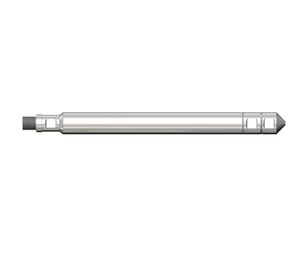
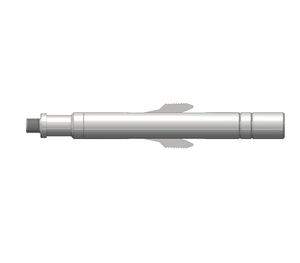
A cup packer uses the same cup-shaped elastomeric principle for zonal isolation, drill-stem testing, fluid sampling, and temporary plugging during workover or cementing operations. The cup lip expands radially under applied differential pressure to seal against the casing ID, and the tool unseats simply by lifting the string.
The second field is the laboratory cup inside the filtration cell. In API filtration-loss testing, the drilling fluid sample is held in a cell cup, sealed with O-rings and a lid, and subjected to elevated temperature and differential pressure to measure static filtration behavior. In both cases, the operational question is identical: does the cup seal hold the differential pressure it was rated for, every time, with a record that proves it?

 Global Service Hotline +86-18729329559


