
 Global Service Hotline +86-18729329559









What “Multi-Cycle” Means Inside the Kingwell MCCV
Product Parameters
Product Parameters
What “Multi-Cycle” Means Inside the Kingwell MCCV
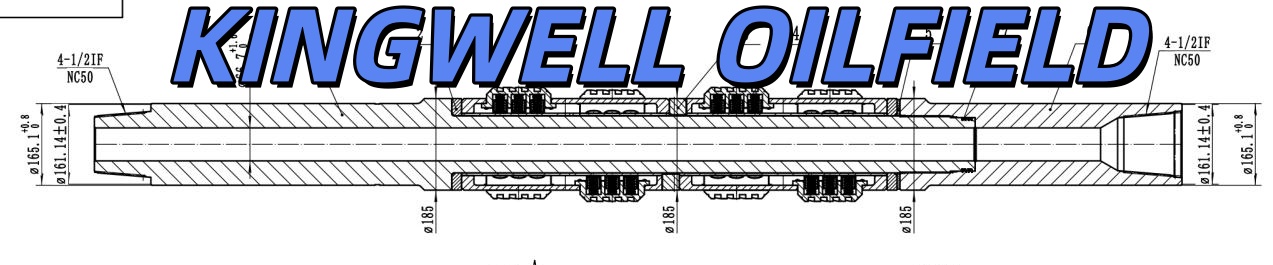
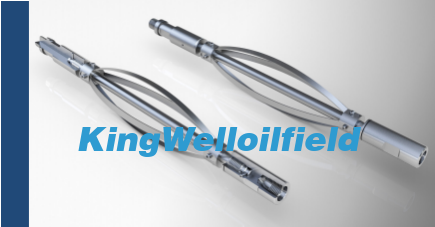
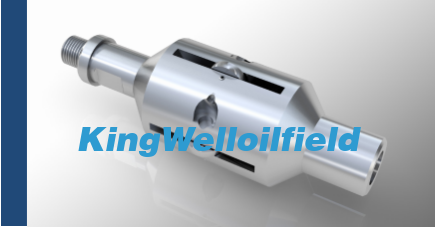
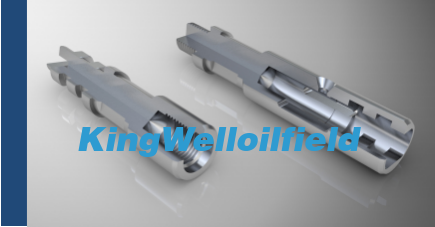
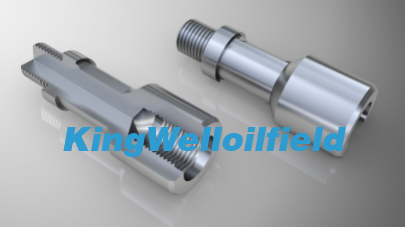
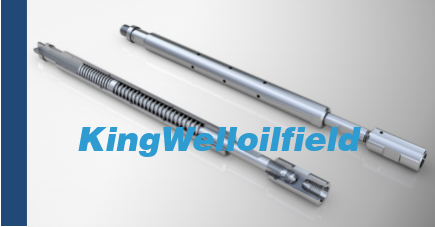
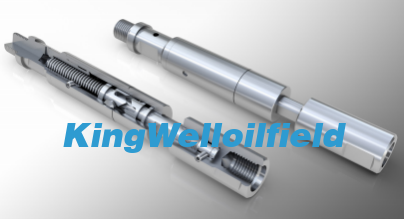
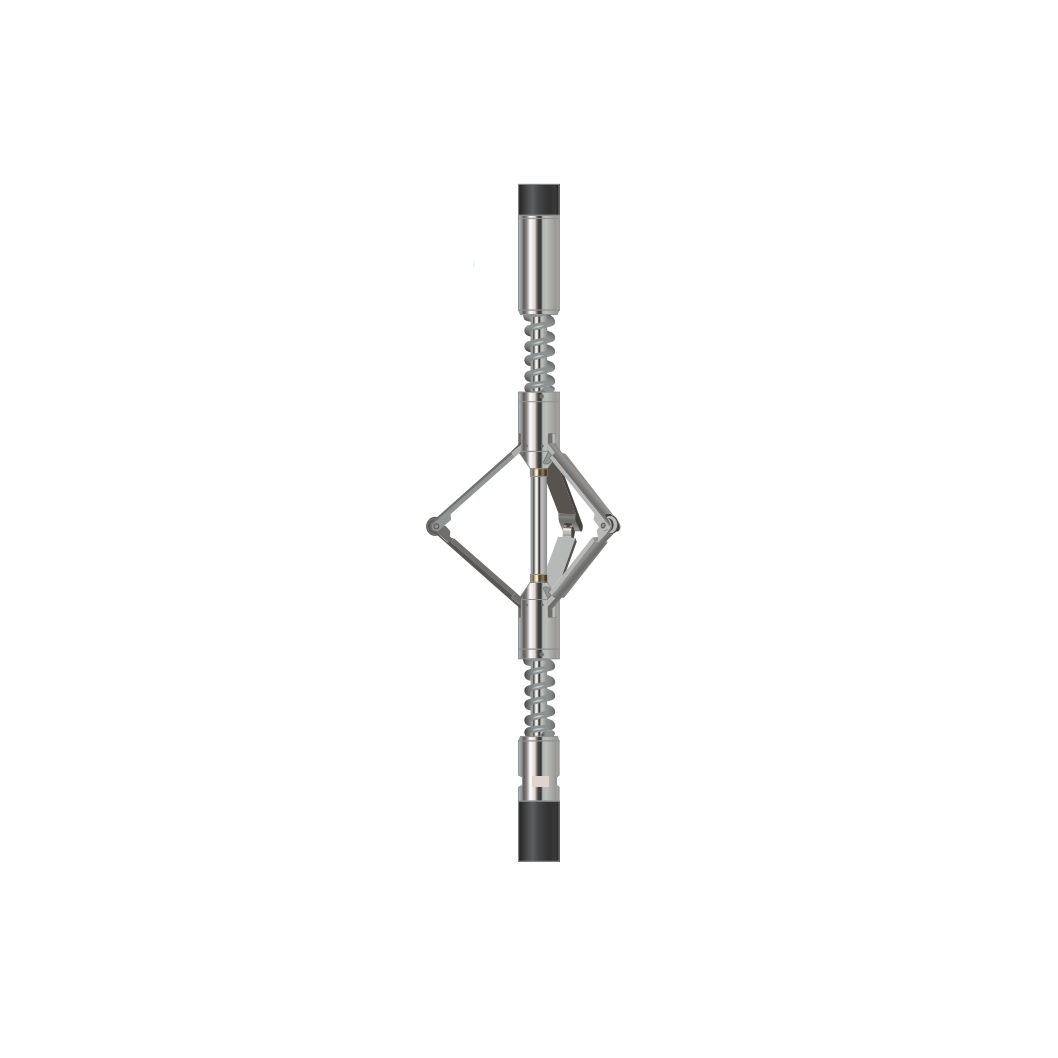
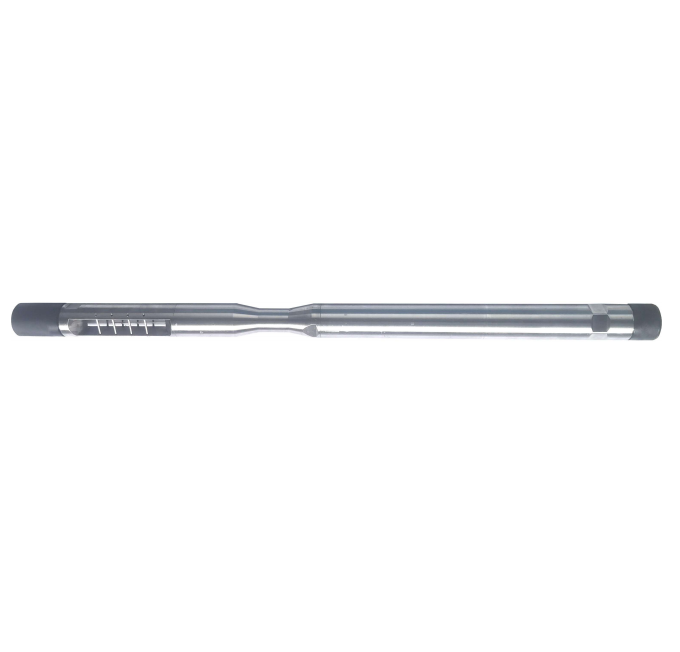
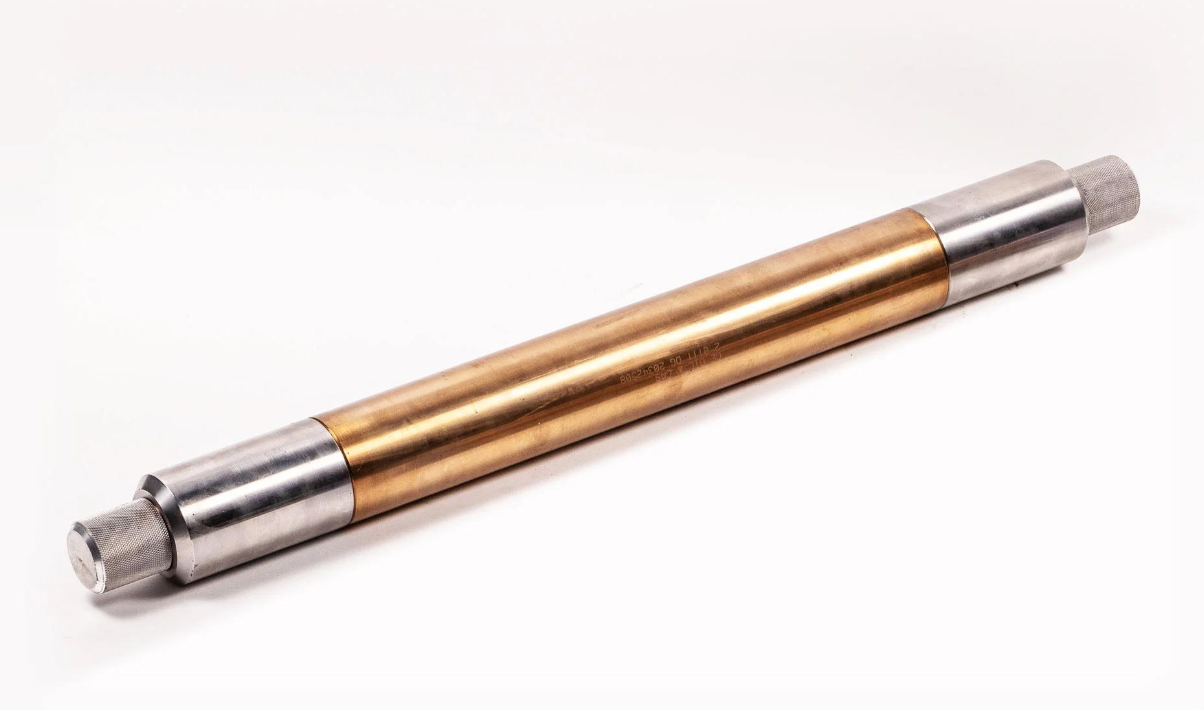
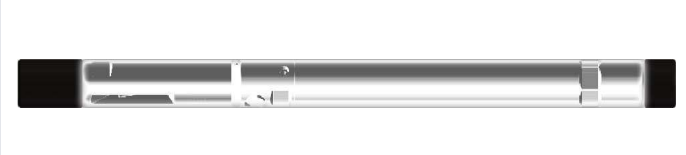
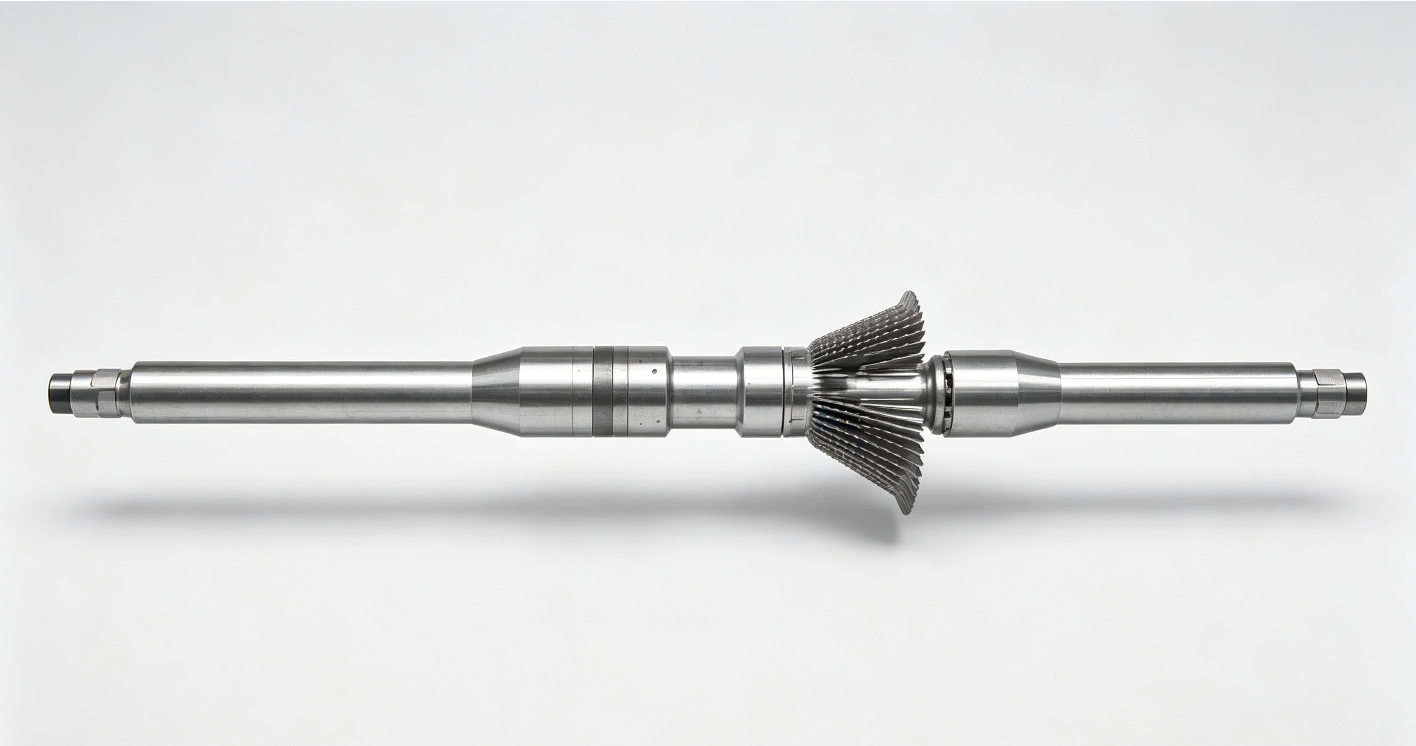
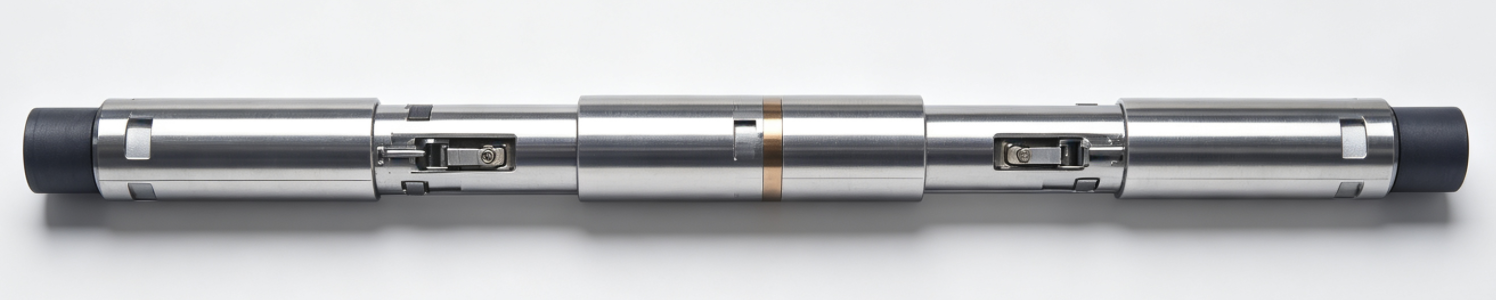
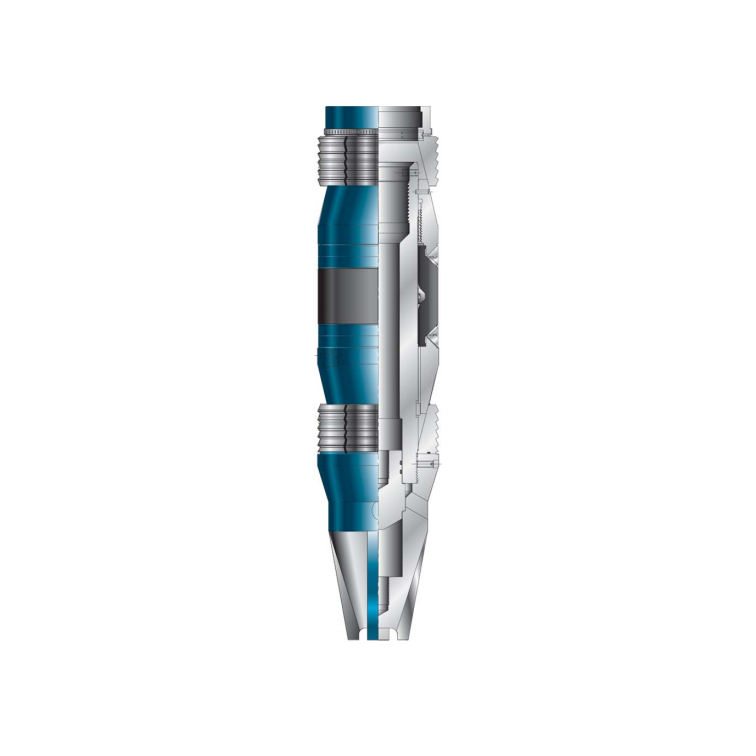
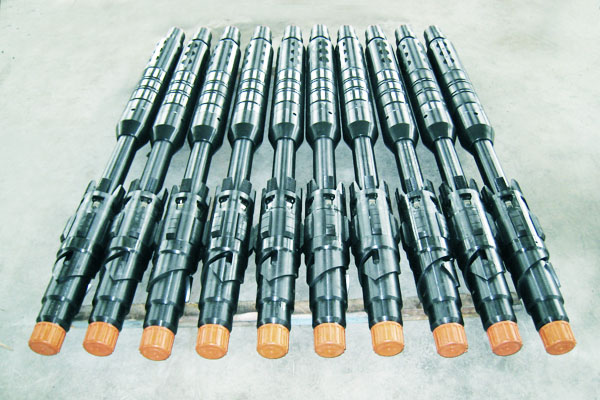
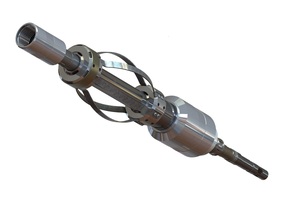
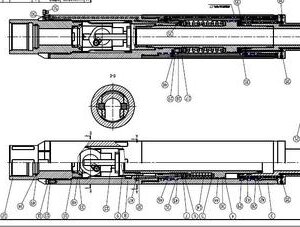
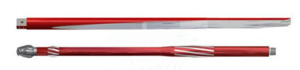
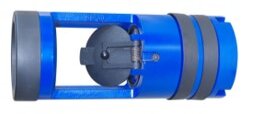
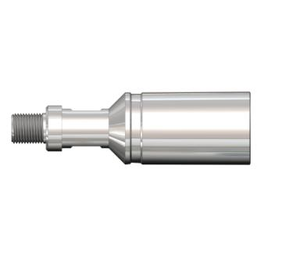
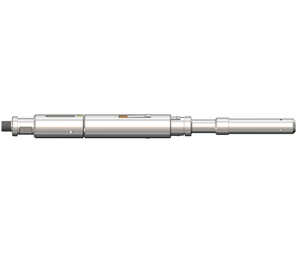
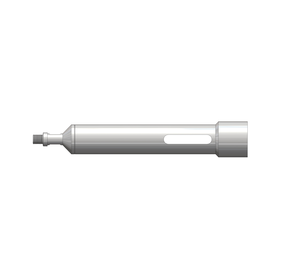
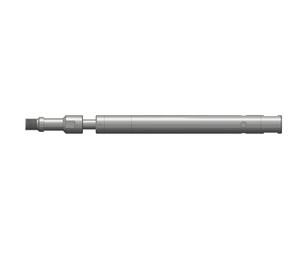
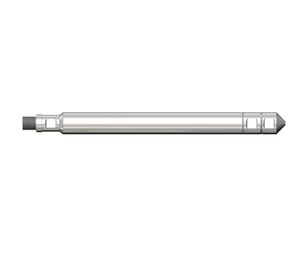
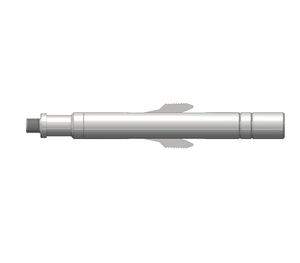
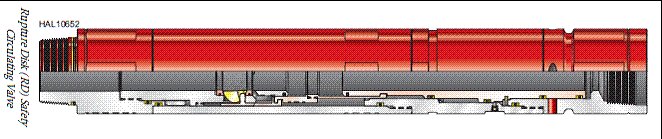
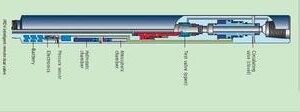
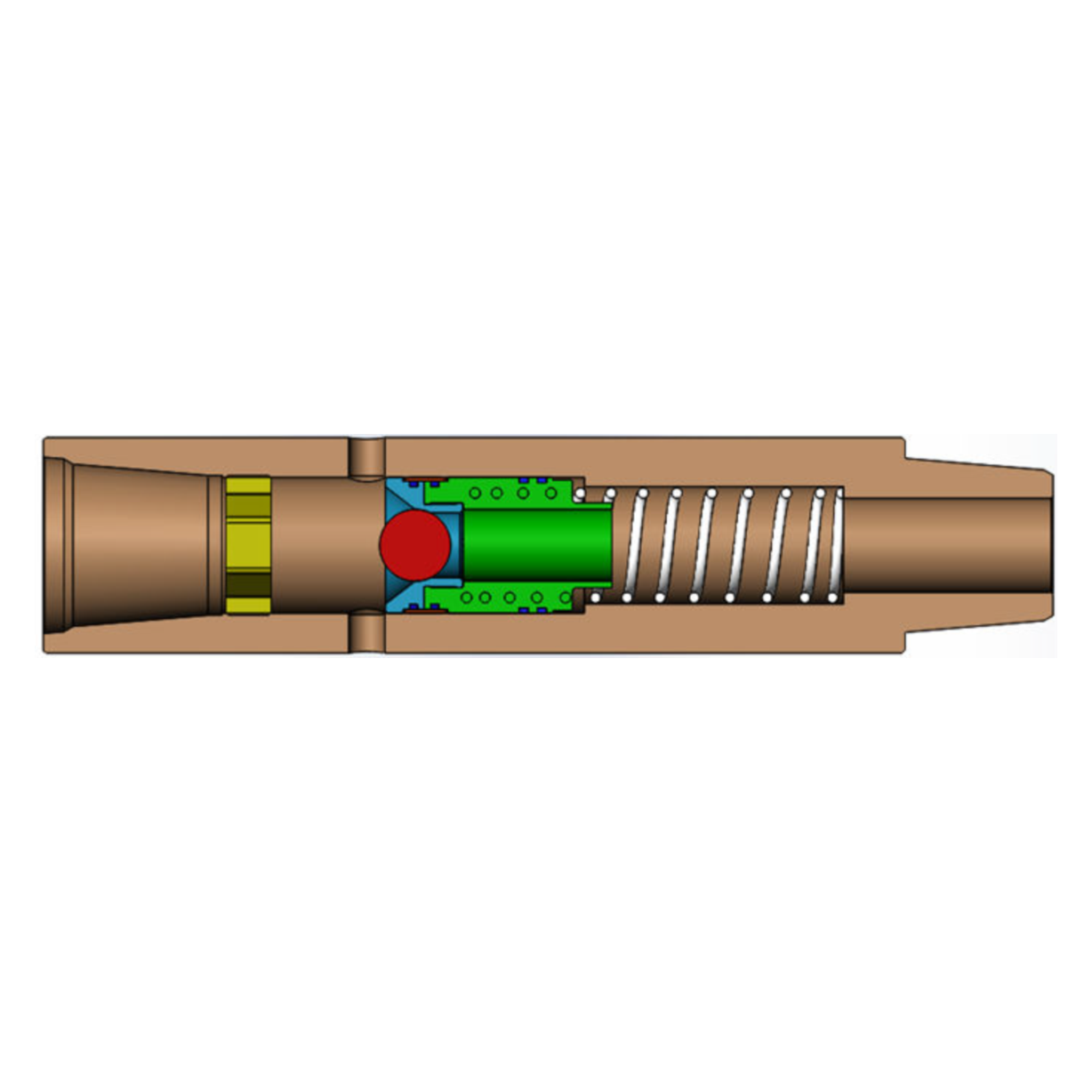
The Kingwell Multi-Cycle Circulating Bypass Valve operates on an indexing mechanism, not a shear-once design. Each ball drop shifts the sleeve to a positive open or closed position, and the tool is rated for a minimum of six open/close cycles per run as standard—a number that can be doubled on request. The ball set is captured in a basket below, leaving the through-bore clear for MWD/LWD signal quality and subsequent wireline or ball-drop operations.
The differentiating detail is where the tool opens relative to the ball. In the Kingwell MCCV, the flow ports open as the ball passes through the tool, before the ball reaches the catcher seat. This matters in high-angle and horizontal wells, where a ball that depends on reaching a seat at the bottom of a long lateral can delay or defeat the activation entirely. The same design also means the drop ball cannot be accidentally pumped through the tool during the open cycle—a failure mode that turns a circulation sub into a fishing job.
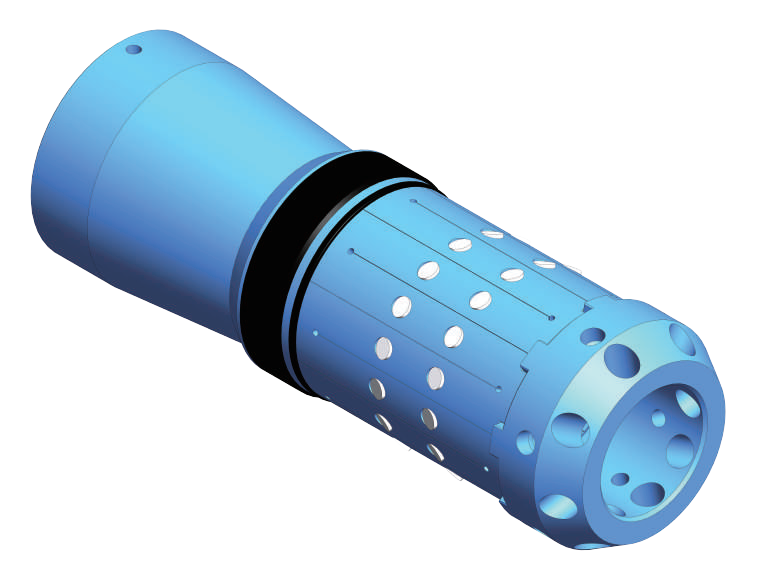
The port geometry is deliberately conservative: two large circulating ports as standard, sized at 2×1.125 in on the 4¾-in tool and 2×1.50 in on the 6½-in through 8-in sizes. The stated purpose is plugging resistance when aggressive LCM or cement is being pumped, not just nominal flow area. Kingwell also specifies full-TFA reverse circulation capability—a function that most single-cycle bypass subs cannot offer, and one that becomes operationally relevant when the objective shifts from forward loss treatment to back-reaming or reverse-out of a cuttings bed.
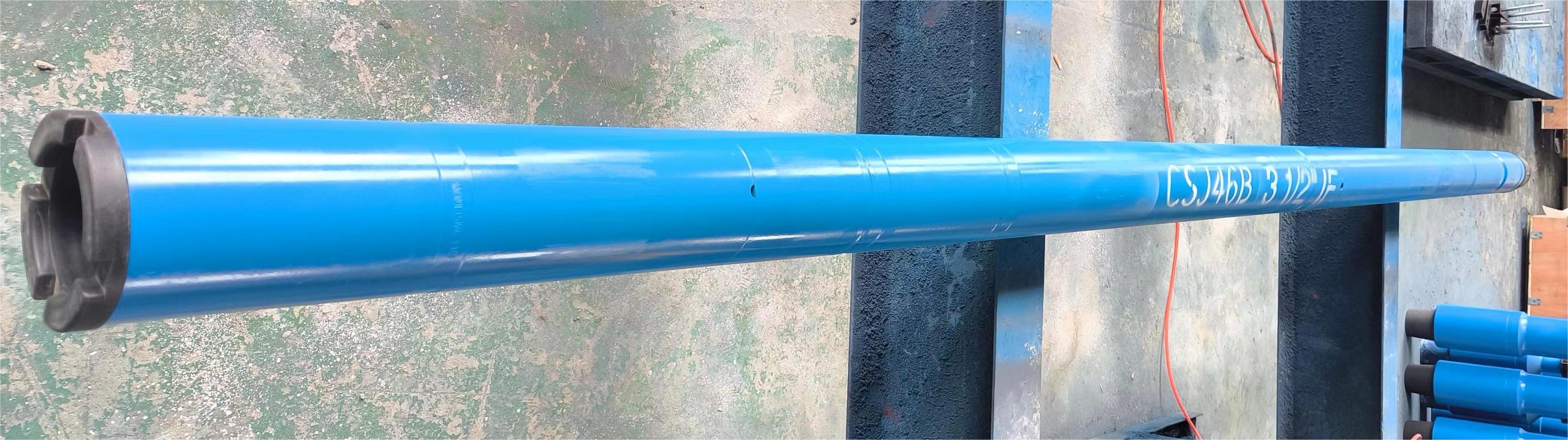
The size range runs from 4¾-in OD (NC38 connection, 1.75-in washpipe ID) through 6½-in and 7-in (NC50) to 8-in (6⅝ REG), with make-up torque from 11,000 ft-lbs to 34,000 ft-lbs and shoulder-to-shoulder lengths from 105 to 137 inches. For a drilling engineer building a BHA around a 5-in drillpipe string in a 6-in hole or a 5½-in string in an 8½-in hole, that is a usable matrix, not a single catalogue SKU.
The Value Case Is the Non-Trip, Not the Activation
The commercial argument for multi-cycle circulation is easiest to see in the field data. Middle East directional and horizontal wells running multi-cycle bypass-equipped BHAs have shown a 35 to 50 percent reduction in total NPT related to lost circulation per section, with an average savings of approximately $45,000 per loss event when tripping costs and fluid losses are combined. On a multi-well pad, that is not a rounding error. It is a line item that shows up in the drilling AFE.
The deeper operational logic is that a six-cycle tool changes the decision tree. With a single-activation sub, the driller faces a binary choice: use the one shot now and lose the capability for the rest of the run, or hold it in reserve and absorb the cost of the problem that is not being treated. With six cycles, the tool becomes a lever that can be pulled at TD for a split-flow cleaning pass, closed, re-opened at the liner shoe for a second cleaning operation, and still remain available if the well changes its mind later in the run. The 28,527-ft Middle East extended-reach case in the public record—first-attempt activation at TD, successful closure, then reactivation at the 7-in top of liner without a trip—is the operational template, regardless of which brand of multi-cycle sub is in the string.-
The BHA-protection argument is equally material for procurement. When cement or coarse LCM has to be placed, the last thing an operator wants is the treatment migrating into MWD/LWD sensors or a rotary steerable system. A multi-cycle bypass valve diverts the treatment directly to the annulus while isolating the BHA below, then restores full circulation to the bit once the treatment is placed. That capability is only useful if the tool can be reliably closed afterward; the six-cycle architecture is what makes the isolation reversible rather than a one-way sacrifice of the BHA’s hydraulic function.
The Specification Questions That Separate Suppliers
The product literature across the category converges on a familiar set of headline numbers—cycle count, pressure rating, OD range. For buyers, the weighting should shift toward the parameters that determine whether cycle five behaves like cycle one.
Where the tool opens relative to ball arrival. A sub that depends on the ball reaching a catcher seat at depth is a different tool from one that opens as the ball passes. In long horizontals, the difference is activation reliability.
Deactivation restoring full through-bore circulation. A tool that leaves residual restriction after closing compromises MWD signal quality and subsequent intervention. Kingwell’s MCCBV is specified with ball capture in a basket and a clear ID after cycling, which is the correct design intent—but buyers should confirm the ID envelope against their specific BHA program, not assume it.
Automatic closure on pump-off. The U-tube effect is a well-control issue. A spring-return or flow-responsive closure that shuts the bypass ports when the pumps stop is a passive safety layer that a manually latched design does not provide. This should be a stated performance criterion in the inquiry, not an afterthought.
Cycle count as a program variable, not a catalogue maximum. A standard six-cycle rating with a documented path to twelve on request is useful only if the ball-set supply and catcher capacity are matched to the planned cycles. Kingwell’s tool kits are structured around complete ball sets, which makes the cycle count an explicit planning input rather than a marketing number.-
Why Kingwell
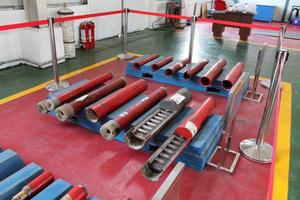
Xi’an Kingwell Oilfield Machinery has been manufacturing downhole tools and DST equipment for over a decade, growing from a drilling service background into a factory that produces drill stem test tools, drilling tools, and circulation subs in-house. The company’s product base spans DST circulating valves rated to 15,000 psi for H2S and CO₂ service alongside the MCCV drilling circulation line, which means the engineering organization is not learning circulation-valve sealing and actuation on a single product platform. Products are exported to the United States, the Middle East, Europe, and Australia, and the company operates its own inspection and mud-pump divisions alongside the tool manufacturing operation.
For international buyers evaluating a multi-cycle circulation valve supplier, that vertical integration matters at the point of specification review. The questions that decide whether a tool survives a run—ball-seat shear consistency after LCM, sleeve indexing reliability after abrasive slurries, seal stability across multiple activations—are manufacturing-process questions. They are answered by in-house machining and assembly control, not by a trading desk.
The global circulation sub market is projected to grow from $415 million in 2025 to $615 million by 2033 at a 5.1 percent CAGR, driven largely by deeper laterals and a widening intolerance for invisible NPT. The suppliers that capture that growth will not be the ones with the highest headline cycle count on a spec sheet. They will be the ones whose tools open on the first attempt at 28,000 ft, close cleanly after aggressive LCM, and open again when the program changes—because the difference between a valve that works once and a valve that works on demand is the difference between absorbing a trip and engineering it out.
Kingwell MCCV at a glance: 4¾-in to 8-in OD NC38 to 6⅝ REG minimum 6 open/close cycles standard, expandable on request dual large-bore circulating ports full-TFA reverse circulation · indexing mechanism with port-open-before-seat-arrival design ball basket capture. Contact Kingwell for application-specific sizing against your BHA program.
For more information, pls contact kingwell at kingwell@kingwelloilfield.com, Tel: +86 13379187081.


